Aging and Degradation of Fiber Optic Infrastructure Over Time

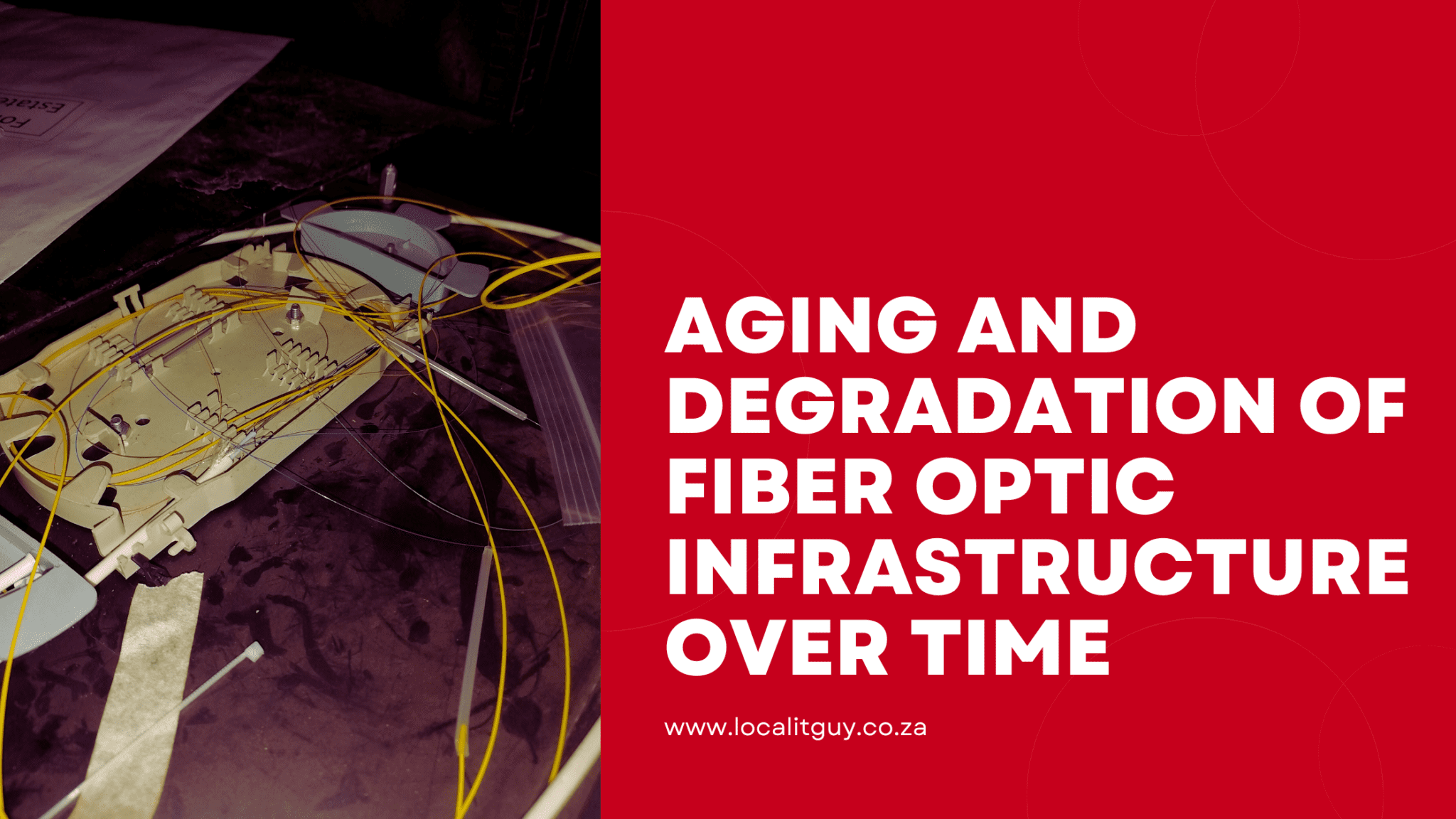
Fiber optic infrastructure is prone to failure due to various reasons, but the most common cause is the natural aging and degradation of the fiber optic cables over time. These cables are made of glass or plastic fibers and are responsible for transmitting data through light signals. Even though fiber optic cables are known for their durability and longevity, they are still susceptible to damage and wear and tear, which can ultimately lead to the failure of the entire fiber system.
Fiber optic cables are highly sensitive and can easily degrade over time due to several factors. Environmental conditions such as exposure to extreme temperatures, moisture, and chemicals can weaken the cables, leading to signal loss or complete failure. Moreover, physical stress caused by improper installation, bending, or pulling of cables can also damage the fibers and significantly affect their performance. Therefore, it is crucial to handle and maintain fiber optic cables with utmost care to ensure their longevity and optimal performance.
Regular inspections and maintenance of Fibre optic cables
Fiber optic systems are reliable and efficient, but they require regular maintenance and inspections to function correctly. Failure to perform routine checks and upkeep can result in various issues, including loose or dirty connectors, damaged components, or faulty splices. These problems can lead to signal degradation or complete interruptions, impacting the system’s overall performance. Therefore, it is essential to conduct regular inspections, clean the connectors, and perform necessary repairs or replacements to maintain the fiber system’s optimal performance. By ensuring adequate maintenance, you can prevent unexpected downtime and ensure uninterrupted data transmission.
Proactive measures to mitigate risks
In the past few years, the significance of having a fiber system that is resilient and redundant has gained increasing attention. Although aging and degradation continue to be the primary reasons for failures, there is now a greater emphasis on taking pre-emptive measures to mitigate these risks. This includes implementing comprehensive monitoring systems that can detect early signs of degradation, investing in superior quality materials and installation techniques, and adopting redundancy in fiber optic networks to reduce the impact of failures. By adopting these proactive measures, companies can ensure that their fiber systems remain stable and reliable, even in the face of unforeseen events or natural wear and tear.